


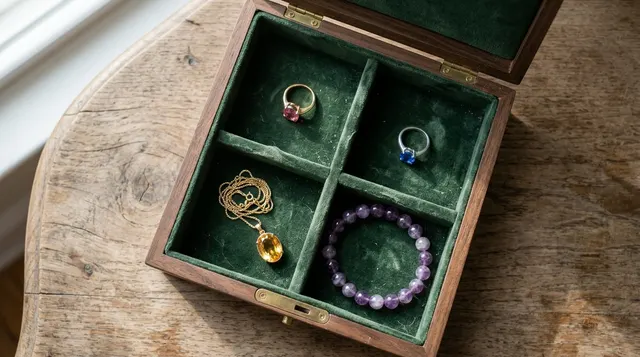
How to Store Crystal Jewelry and Stones Without Scratches
Store crystal jewelry by hardness: a pouch or slot per piece, soft stones and pearls kept apart, away from strong light, heat and plastic bags. Stone by stone.
Mineralogy, not mysticism
Is it amethyst or purple glass? Will that bracelet scratch? Can it go in water? Clear answers from gemology and mineralogy sources, for 20 popular stones and the jewelry made from them.
Store crystal jewelry by hardness: a pouch or slot per piece, soft stones and pearls kept apart, away from strong light, heat and plastic bags. Stone by stone.
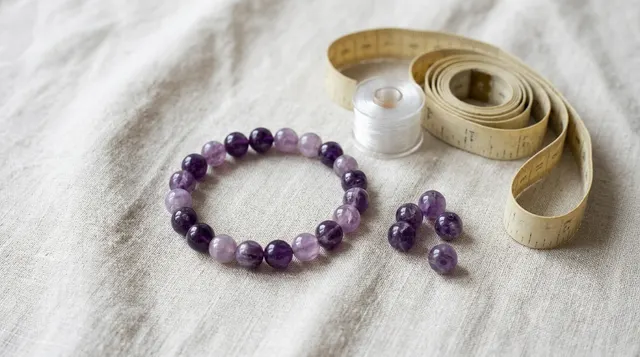
How to measure your wrist, how much length to add for 4 to 12 mm beads, how many beads a bracelet needs, and how bead size changes weight and fit.
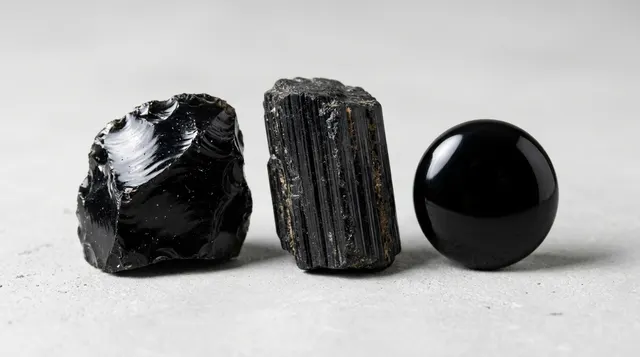
Obsidian is volcanic glass, black tourmaline is a striated crystal, black onyx is dyed chalcedony. Shape, fracture, banding and lab tests that tell them apart.
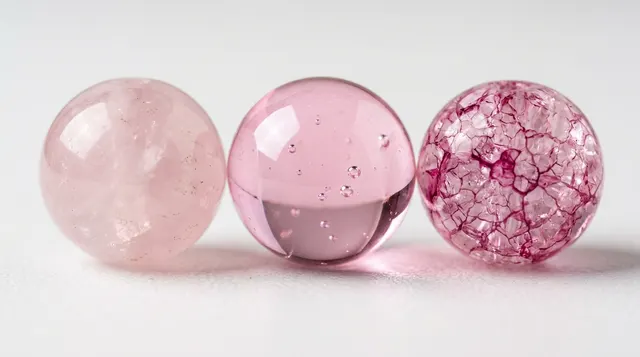
How to tell natural rose quartz from pink glass and dyed quartz: color, clarity, gas bubbles, dye-filled cracks, hardness, FTC disclosure rules and lab tests.
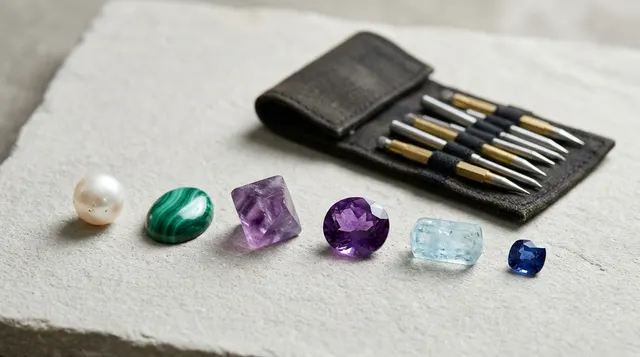
Mohs hardness for crystal jewelry: which stones scratch easily, why 7 is the everyday-wear line, and how to match soft stones to rings, pendants and earrings.
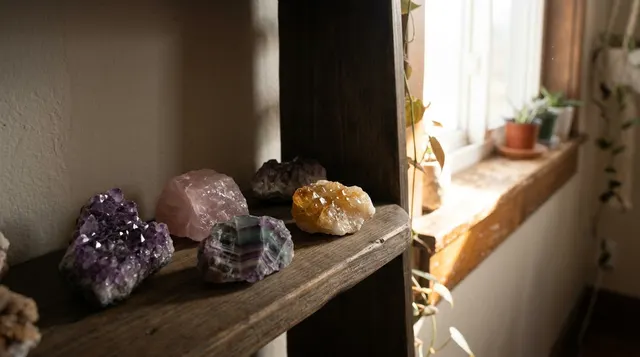
Which crystals fade in sunlight: what GIA says about amethyst, citrine, kunzite, topaz and rose quartz, why dyed stones fade, and how to display stones safely.
No claims that stones heal, protect, calm or attract luck, and no zodiac or birth-chart picks: there is no scientific evidence for them. No prices, no invented reviews. Just what each stone is made of, how to tell it from its imitations, and how to look after it. Our editorial policy.